Frequently Asked Questions (FAQ) – Mould Temperature Controller Manufacturers in Chennai
Q1: What is a mould temperature controller?
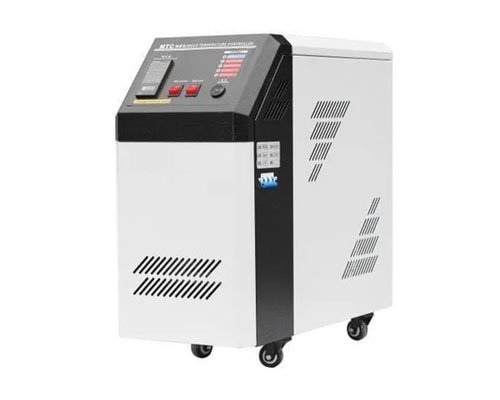
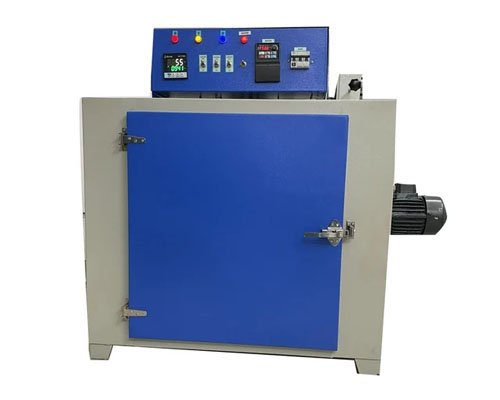
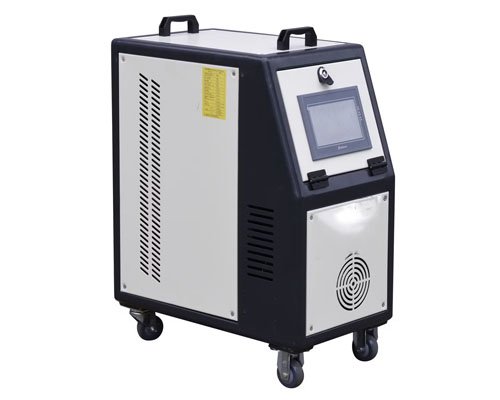
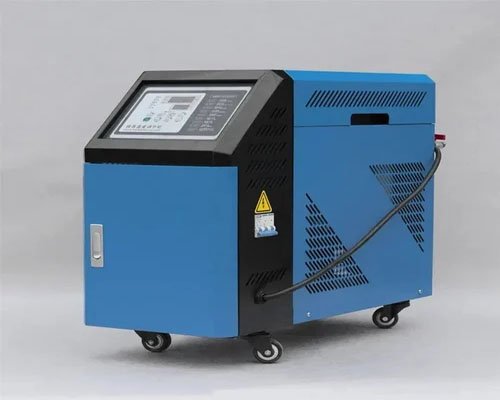
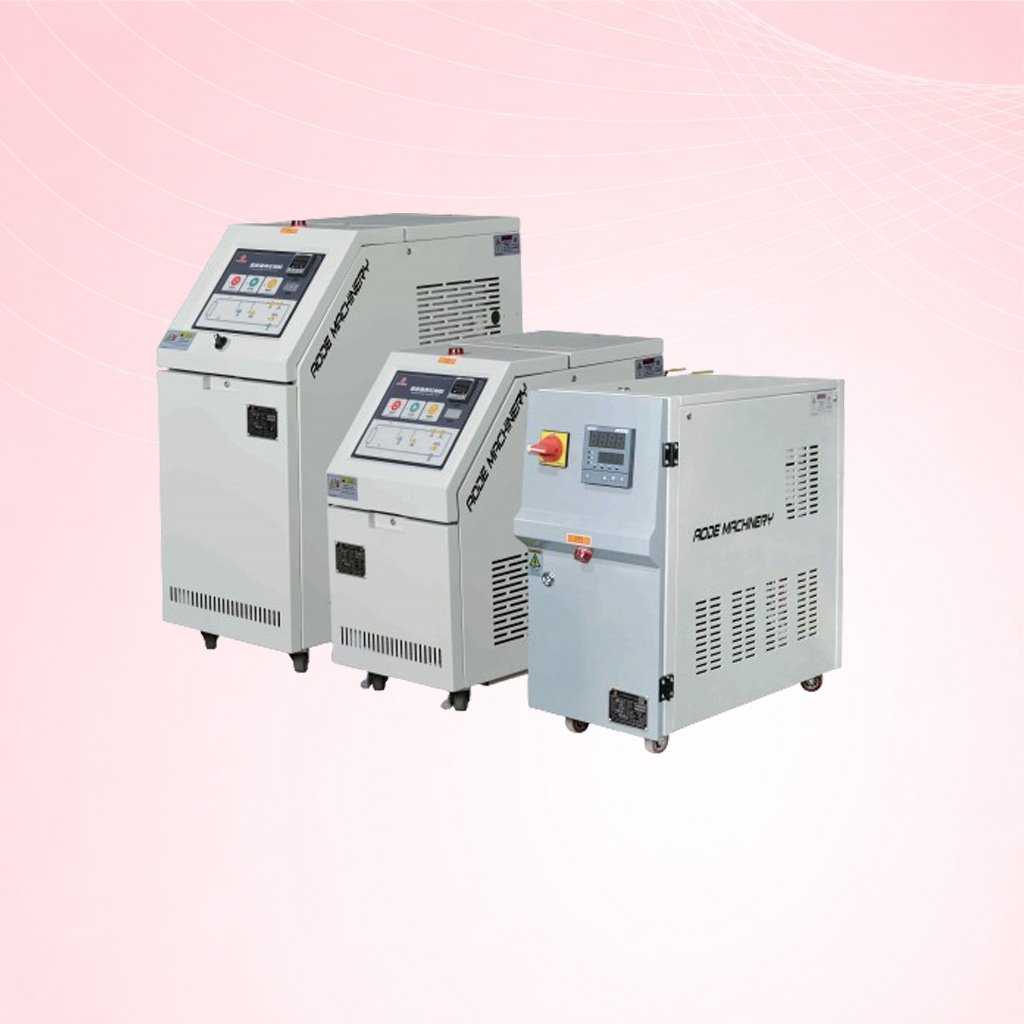
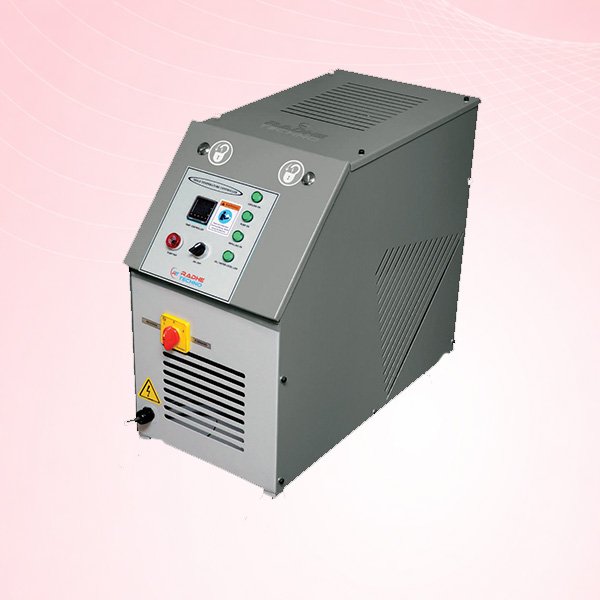
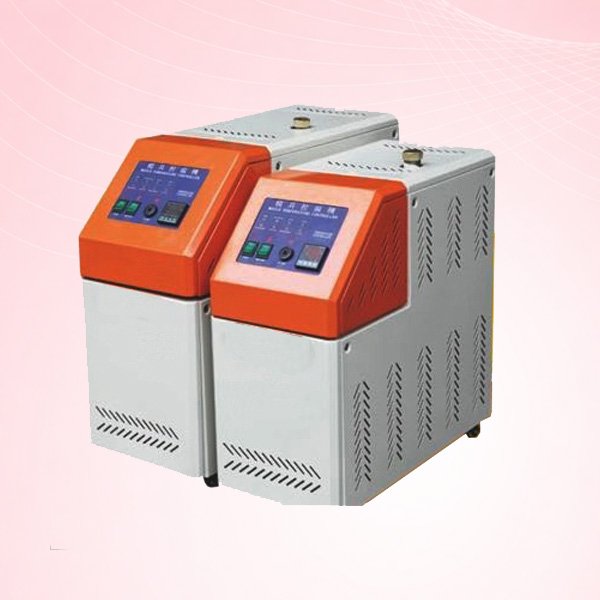
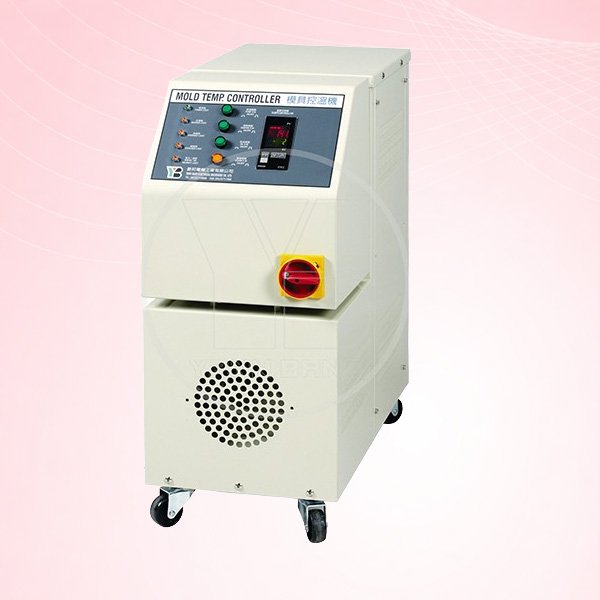
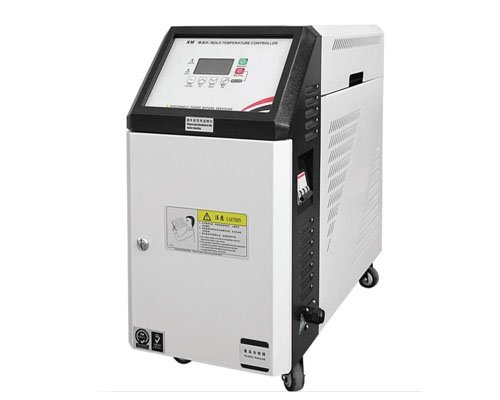
A mould temperature controller (MTC) is an industrial device that regulates the temperature of moulds during plastic injection moulding, blow moulding, extrusion, and die-casting processes. It ensures consistent heating and cooling for improved product quality and production efficiency.
Q2: Why is a mould temperature controller important?
A mould temperature controller helps maintain a stable mould temperature, which:
- Improves product surface finish
- Reduces cycle time
- Minimizes warping and shrinkage
- Enhances dimensional accuracy
- Reduces rejection rates
- Extends mould life
Q3: What industries use mould temperature controllers?
Mould temperature controllers are widely used in:
- Plastic injection moulding industries
- Blow moulding plants
- Plastic extrusion units
- PET preform manufacturing
- Die casting industries
- Rubber moulding industries
- Automotive component manufacturing
- Medical device manufacturing
- Packaging industries
- Electronics manufacturing
Q4: What are the different types of mould temperature controllers?
The most common types include:
- Water Type Mould Temperature Controllers
- Oil Type Mould Temperature Controllers
- High-Temperature Oil Circulation Controllers
- Dual-Zone Temperature Controllers
- PLC-Based Automatic Temperature Controllers
Q5: What temperature range does a mould temperature controller support?
Depending on the model:
- Water Type Controllers: Up to 180°C
- Oil Type Controllers: Up to 300°C or higher for specialized applications
Q6: What are the key features of a mould temperature controller?
Key features include:
- Digital PID temperature controller
- Accurate temperature regulation
- Fast heating and cooling
- High-efficiency circulation pump
- Stainless steel tank
- Automatic temperature control
- Over-temperature protection
- Low maintenance
- Energy-efficient operation
- User-friendly control panel
Q7: What is the difference between water-type and oil-type mould temperature controllers?
A water-type controller is ideal for standard moulding applications requiring temperatures up to 180°C, while an oil-type controller is designed for high-temperature applications where temperatures can exceed 180°C, providing greater thermal stability.
Q8: Can the mould temperature controller be customized?
Yes. Manufacturers offer customized solutions based on:
- Heating capacity
- Pump flow rate
- Temperature range
- Mold size
- Water or oil circulation
- Automation requirements
- PLC/HMI integration
- Industrial application
Q9: Is the mould temperature controller energy-efficient?
Yes. Modern mould temperature controllers feature insulated heating systems, intelligent PID controllers, and efficient circulation pumps that reduce energy consumption while maintaining precise temperature control.
Q10: What maintenance does a mould temperature controller require?
Routine maintenance includes:
- Cleaning the circulation tank
- Checking the heating elements
- Inspecting the circulation pump
- Monitoring oil or water levels
- Cleaning filters
- Verifying temperature sensor accuracy
- Tightening electrical connections
- Performing periodic safety inspections
Q11: How do I choose the right mould temperature controller?
Consider the following factors:
- Type of moulding process
- Mold size
- Required operating temperature
- Water or oil heating medium
- Heating capacity
- Pump flow rate
- Production volume
- Automation and control requirements
Q12: Do you provide installation and after-sales support in Chennai?
Yes. Hindu EnterprisesMould Temperature Controller Manufacturers in Chennai provide installation, commissioning, operator training, preventive maintenance, genuine spare parts, and reliable after-sales technical support.
Q13: What are the benefits of using a mould temperature controller?
Using a mould temperature controller offers several benefits:
- Consistent mold temperature
- Improved product quality
- Faster production cycles
- Lower rejection rates
- Better dimensional stability
- Reduced energy consumption
- Longer mould lifespan
- Increased production efficiency
Q14: How can I get a quotation for a mould temperature controller in Chennai?
You can request a quotation by providing details such as your moulding process, mould size, preferred heating medium (water or oil), required temperature range, heating capacity, and production requirements. Based on this information, the manufacturer will recommend the most suitable mould temperature controller and provide a detailed quotation.